
You walk downstairs and find water spreading across the basement floor. Maybe a pipe burst behind the wall, water came back through a drain, or last night’s rain found its way inside. The cleanup may look similar, but your home insurance may treat each situation differently.
That is why the first question is not simply, “Do I have water damage coverage?” You need to know where the water came from, how it entered the home, and which part of your policy applies.
Does Home Insurance Cover Water Damage in Canada?
It can, but the source of the water matters. Basic home insurance may cover sudden water damage from inside the home, such as a burst pipe or hot water tank leak. Sewer backup and overland flooding often require additional coverage, while gradual leaks, repeated seepage, and maintenance-related damage can be treated differently.
Coverage varies by insurer, policy wording, endorsements, limits, deductibles, property and circumstances. Use the examples below as a starting point, then check the wording of your own policy.
Comparing Home Insurance?
At Beat My Insurance, we let you organize your insurance details once and share them on your terms. You can keep your listing Private when you are not shopping, then make it visible or share your Listing ID with brokers when you are ready to compare.
Create Your Free BMI ListingWater Damage and Home Insurance: Start With the Source
Water on the floor tells you what happened after the loss. It does not tell you which coverage applies. A broken pipe, backed-up sewer, and surface flood can all leave a wet basement while raising very different insurance questions.
| What Happened? | Likely Source | Coverage to Check |
|---|---|---|
| A pipe suddenly bursts | Plumbing inside the home | Sudden and accidental water damage coverage |
| A washing machine hose fails | Household appliance | Water escape from an appliance |
| Water rises through a basement drain | Sewer or drainage system | Sewer backup coverage |
| Rainwater flows into the home from outside | Surface or overland water | Overland flood coverage |
| Water repeatedly seeps through the foundation | Groundwater or seepage | Exclusions and any optional water coverage |
| A frozen pipe bursts | Indoor plumbing | Water damage coverage plus policy conditions |
The Insurance Bureau of Canada says water damage usually includes sudden and accidental escape of water from indoor plumbing, heating systems, certain appliances, or a water main. It also notes that sewer backup and overland flood protection may be available as optional coverage. Read the Insurance Bureau of Canada’s water and flood coverage guidance for its current explanation of these risks.
When the Water Comes From Inside Your Home
Some of the clearest water claims start inside the house. A pipe ruptures, a washing machine hose lets go, or a hot water tank suddenly leaks and damages the surrounding area.
A Pipe Bursts Overnight
Water escapes suddenly and damages flooring, drywall or belongings. This type of resulting water damage is commonly addressed by home coverage, subject to the policy terms.
A Pipe Drips for Months
A slow leak creates staining, rot or mould over time. Insurers can treat gradual damage and maintenance-related problems differently from a sudden accidental loss.
The difference matters because insurance may address the damage caused by escaped water without automatically paying to replace the part that wore out or failed. If a pipe bursts, for example, ask how the policy separates repair of the failed pipe from the resulting damage around it.
The same principle can apply to household appliances. A dishwasher that suddenly overflows creates a different situation from a dishwasher connection that has been slowly leaking unnoticed under the floor.
Does Home Insurance Cover a Frozen Pipe?
A frozen pipe can turn into a major water loss once the pipe cracks and begins leaking. The fact that the pipe froze, however, can bring policy conditions into the claim as well as the water damage itself.
Canadian home policies may contain conditions about heating the home or taking precautions while you are away during cold weather. The Financial Consumer Agency of Canada notes that an insurer may not cover frozen-pipe damage in some situations when a homeowner is away and does not meet the policy’s requirements.
What to check: Do not look only for the words “water damage.” Read the sections covering absence from the home, heating requirements, vacancies and exclusions as well.
Those details are exactly why endorsements and exclusions need to be read together. Our breakdown of home insurance endorsements and exclusions explains what each one can change in a policy.
Does Home Insurance Cover Sewer Backup?
Now imagine the water does not come from a broken pipe at all. Instead, dirty water starts rising through a basement floor drain, toilet, sink or another opening connected to the drainage system.
That points toward a sewer backup. It can happen when a municipal sewer becomes overwhelmed, a private line becomes blocked, or the drainage system cannot move water away quickly enough.
Quick Answer
Sewer backup is typically not included automatically in a standard home insurance policy. IBC says most insurers offer optional sewer backup coverage, so homeowners need to check whether it appears on their own policy.
This is where the phrase “water damage insurance” can create confusion. A policy may cover sudden water escaping from plumbing inside the home while treating water that comes back through a drain as a separate risk.
Does Home Insurance Cover Overland Flooding?
Overland flooding happens when water travels across normally dry land before entering the home. Heavy rain, rapid snowmelt, or overflowing lakes and rivers can all create this type of loss.
The Government of Canada says basic water damage coverage may address incidents such as burst pipes or hot water tank leaks, but flooding is not typically included in a standard policy. It also explains that insurers may define and cover different types of flooding differently.
You can review the current Government of Canada overland flood insurance guidance for the national explanation of flood endorsements, eligibility and coverage differences.
Why This Matters in Canada
Flooding is one of Canada’s biggest property risks, but “flood” does not describe one single insurance event. Heavy rainfall can cause surface flooding, sewer backup, groundwater issues, or more than one type of water loss during the same storm.
That does not mean every homeowner needs the same endorsement. It means you need to know which type of water risk your policy actually addresses.
Sewer Backup vs Overland Flood: Why the Difference Matters
A heavy storm can cause both types of loss at the same time in the same neighbourhood. One house may get water through a floor drain because the sewer backs up, while another gets surface water through a basement door.
The weather event may be identical, but the entry point is not. That difference can determine which endorsement or section of the policy you need to check.
Water escapes from a plumbing system inside the home.
Water or sewage comes back through a drain or sewer connection.
Water travels across land before entering the property.
| Question | Burst Pipe | Sewer Backup | Overland Flood |
|---|---|---|---|
| Where does the water originate? | Indoor plumbing | Drain or sewer system | Outside the home |
| Is it commonly part of standard coverage? | Often, subject to policy terms | Typically not automatically | Typically not automatically |
| May extra coverage be needed? | Depends on the situation | Often | Often |
| Common example | Pipe ruptures behind a wall | Water rises through a basement drain | Rainwater flows through a basement entrance |
Does Water Damage Coverage Change by Province?
Geography matters, but not in a simple “Ontario covers this, Alberta covers that” way. Home insurance policies vary by insurer, property, flood risk, endorsements and local conditions, so two homes in the same province can still have very different water coverage.
The bigger question is often what type of water risk affects the property. A home near a river may face different overland flood eligibility or pricing from a home farther inland, while a coastal property can face storm-surge risks that a standard policy may not cover.
Availability Can Change
Optional overland flood coverage is available for many Canadian homes, but eligibility, limits, deductibles and price can vary with the property’s flood risk.
Storm Surge Is Different
IBC says coastal flooding and storm surge are generally not covered by standard home insurance and may not be included in ordinary flood endorsements.
Absence Conditions Matter
Frozen-pipe claims can depend on heating and absence requirements written into the policy, particularly when a home is left unattended during cold weather.
Risk Still Varies
A property’s elevation, nearby water, drainage and insurer risk assessment can matter more than the province name alone.
What can vary: overland flood eligibility, sewer backup limits, groundwater or seepage options, flood deductibles, high-risk-area restrictions, coastal exclusions, and frozen-pipe conditions.
So if you move within Canada or compare policies from different insurers, do not assume that a familiar term means identical protection. Read the actual endorsement wording and ask how it applies to your property.
What About a Slow Leak or Foundation Seepage?
Water damage does not always arrive all at once. A small pipe leak can continue behind a wall, or moisture can repeatedly enter through a basement foundation before anyone notices the full extent of the problem.
Home insurance generally focuses on unexpected insured events rather than routine maintenance. IBC describes a home policy as something other than a maintenance contract, while insurers commonly distinguish gradual leakage and recurring seepage from sudden accidental water escape.
Clear Starting Point
A pipe breaks without warning and water damages the room. The event has a clear, sudden starting point.
Damage Builds Over Time
Water repeatedly seeps through a foundation or leaks over a long period. Maintenance and exclusion wording can become central to the claim.
Do not assume a slow leak automatically receives one particular outcome. Find the cause, document what you discover, and ask your insurer or broker how the policy wording applies to that specific event.
What Should You Check in Your Home Insurance Policy?
Water coverage can sit across several sections of a policy rather than under one neat heading. A quick review before renewal can tell you which questions you need to ask instead of discovering the gaps after a loss.
Check sudden water escape
Look for coverage involving plumbing, appliances, hot water tanks and other sudden internal water losses.
Look for sewer backup
Confirm whether it appears as an endorsement, what limit applies and whether it uses a separate deductible.
Check overland flood coverage
Ask what your insurer includes under overland water or flood protection and whether your property qualifies.
Read seepage and groundwater wording
Check how the policy handles gradual water entry, foundation seepage and groundwater where applicable.
Compare limits and deductibles
A policy can include a type of water coverage while still applying a separate limit or deductible to that loss.
Review absence and vacancy conditions
These conditions can matter during winter, especially when a frozen pipe causes damage while you are away.
Comparing Home Insurance? Do Not Compare Only the Premium
Two policies can look similar at first glance and still handle water risks differently. One quote may include sewer backup, another may price it separately, and a third may use different limits or deductibles for flood-related losses.
Compare those details before you compare the final premium. Our insurance quote comparison checklist explains how to line up limits, deductibles, endorsements and exclusions so you are comparing similar protection.
How We Make the Shopping Part Simpler
At Beat My Insurance, we built BMI so you do not have to repeat the same property and insurance details every time you want another option. You enter your information once, receive your personal Listing ID, and decide how you want to share it.
You can keep your listing Private so brokers cannot view it, share your Listing ID with brokers you choose, or make the listing Public when you want brokers on the platform to find it. We provide the information-sharing tool, while you stay in control of who you engage and which option you choose.
Create Your Free BMI ListingWater Is Already in Your Home. What Should You Do?
If you are dealing with water damage right now, start with safety rather than trying to diagnose the insurance outcome immediately. Standing water can involve electrical hazards, sewage or structural damage, so do not enter an unsafe area just to take photos.
Once it is safe, document what happened and protect the property from further damage where reasonably possible. Keep your insurance documents, contact details and an inventory of important belongings available so the claim process is easier to manage.
Avoid electrical, sewage and structural hazards.
Shut off water only when you can do so safely.
Photograph the water, damage and likely entry point.
Take reasonable temporary steps where safe.
Ask what documentation and next steps they require.
Keep receipts for emergency expenses and avoid disposing of damaged items until you know whether the insurer needs to inspect or document them. If you need temporary accommodation after a covered loss, ask whether your policy includes additional living expenses and what limits apply.
The Source of the Water Changes the Insurance Question
A burst pipe, sewer backup and overland flood can all leave you standing in the same wet basement. The important difference is how the water got there, because that can point to different sections, endorsements, limits and exclusions in your policy.
Start with the source, then check the relevant coverage rather than asking only whether you have “water damage insurance.” If the wording is unclear, ask your insurer or licensed broker how your policy responds to that specific type of water entry.
FAQs
Does home insurance cover a burst pipe in Canada?
Many home insurance policies cover resulting damage from a sudden and accidental burst pipe, subject to the policy terms and conditions. The policy may treat repair of the failed pipe differently from the water damage caused around it.
Does home insurance cover sewer backup?
Sewer backup is typically not automatically included in standard home insurance. Many insurers offer optional sewer backup coverage, so check whether the endorsement appears on your policy and what limits or deductibles apply.
Does home insurance cover basement flooding?
It depends on how the water entered the basement. A burst pipe, sewer backup, overland flood and gradual foundation seepage can involve different coverage, so identifying the source comes before determining which part of the policy may respond.
Is overland flood insurance included in standard home insurance?
Standard home insurance does not typically include overland flooding. Additional flood coverage is available for many properties, but eligibility, limits, deductibles and price can depend on the insurer and the property’s flood risk.
Does home insurance cover a slow water leak?
Gradual or recurring water damage can be treated differently from a sudden accidental leak. Policies may contain exclusions or conditions involving seepage, deterioration or maintenance, so check the wording that applies to your specific loss.
Does home insurance cover frozen pipes?
It can, but the circumstances and policy conditions matter. Insurers may consider whether you maintained heat, followed required precautions while away, or complied with vacancy and absence conditions before the pipe froze.
What is the difference between sewer backup and overland flooding?
A sewer backup sends water or sewage into the home through the drainage system. Overland flooding involves water travelling across normally dry land before entering the property, so insurers may require different coverage for the two risks.
Does flood insurance work the same in every Canadian province?
No. Coverage can vary by insurer, policy wording, property and local flood risk. Availability, deductibles, limits and exclusions may also change by location, so compare the actual endorsement rather than assuming the same protection applies everywhere.
What should I compare when shopping for home insurance water coverage?
Compare sewer backup coverage, overland flood protection, water-damage limits, deductibles, exclusions, policy conditions and additional living expenses. Match those details before deciding that one quote is cheaper or provides more protection.
Compare Home Insurance on Your Terms
We built Beat My Insurance so you can organize your insurance information once instead of repeating it on every call. Keep your listing Private when you want it hidden, share your Listing ID with brokers you choose, and compare responses when you are ready.
We are a neutral technology platform, not an insurer or broker. We do not recommend policies or brokers, and you remain responsible for reviewing coverage and choosing who you want to work with.
Create Your Free BMI Listing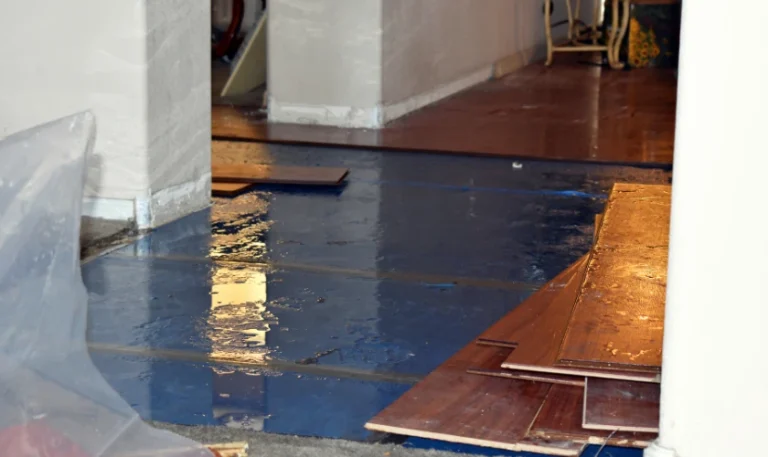


Leave a Reply